Discover Movement Through Awareness

An experimental space where conscious movement meets everyday life

Explore the Concept

Introduction to Experimental Movement

Movement is not just exercise. It is a language your body speaks, a way to explore space, stability, and freedom. At Tisflow, we create an environment where you can discover new sensations through movement, develop strength as a feeling of stability, and integrate these practices into your daily life.

This is not about results or competition. This is about the process, the journey of understanding how your body moves, responds, and adapts.
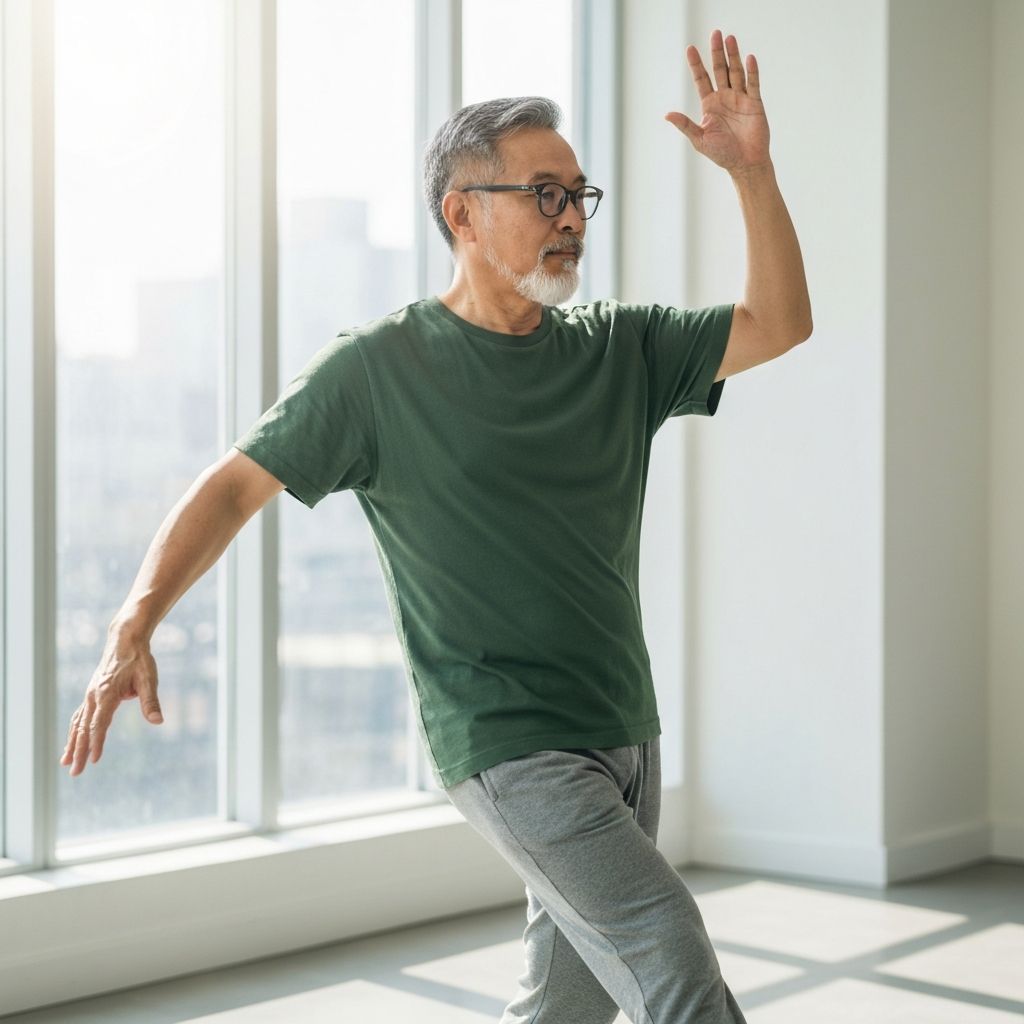
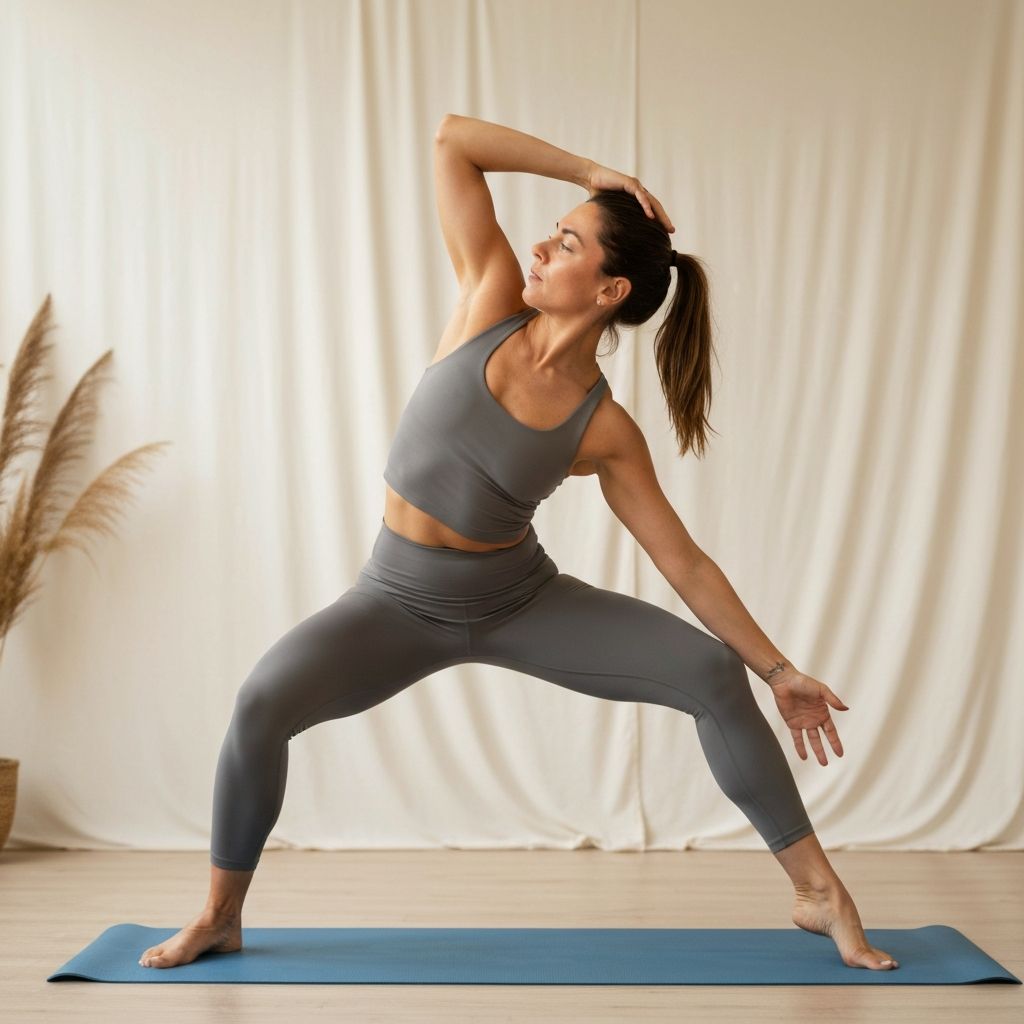
Person exploring conscious movement

Core Principles of Conscious Movement

Awareness Through Space

Explore how your body occupies and moves through physical space. Notice the sensations, the shifts in weight, the subtle adjustments that happen naturally.

Stability to Flexibility

Movement patterns flow from finding your center to exploring your range. Discover how stability creates the foundation for fluid transitions.

Internal Support

Strength is not about force. It is about finding internal support, feeling stable from within, and moving with intention rather than effort.

Balance and Body Centering

Balance is more than standing on one leg. It is about discovering your center, understanding how your body organizes itself in space, and learning to maintain equilibrium through various positions and movements.

Through gradual exploration, you develop a deeper connection with your body's natural ability to find and maintain balance in everyday situations.

Exploring body balance and centering

Control Through Attention

Movement control develops naturally when you pay attention to how your body responds. Through mindful practice, you learn to coordinate movements with greater ease and precision.

Notice how each movement begins

Feel the transitions between positions

Observe where tension arises

Explore smoother pathways

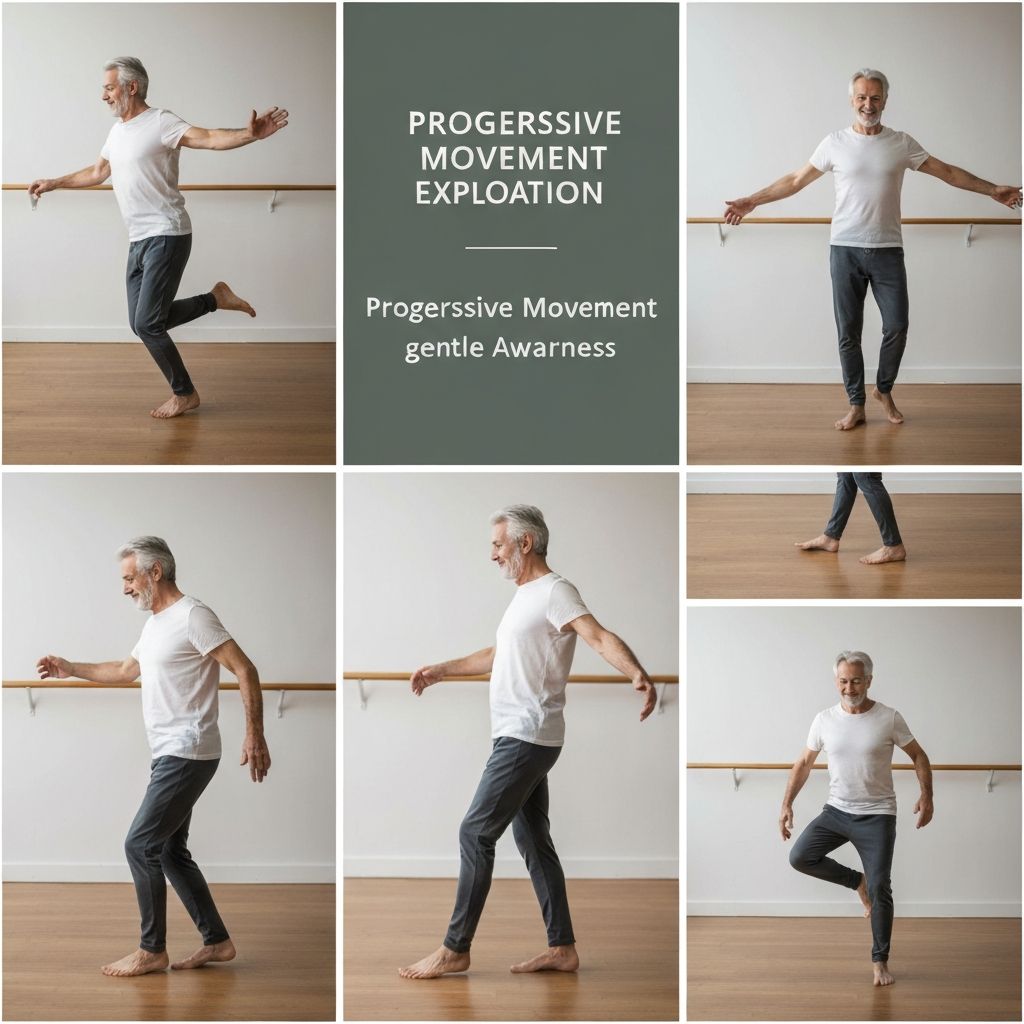
Progressive movement exploration

Gradual Progression

Complexity builds naturally over time. We start with simple awareness practices and gradually introduce variations that challenge your coordination, balance, and spatial understanding.

There is no rush. Each person progresses at their own pace, guided by their body's feedback and their growing awareness of movement possibilities.

Movement for Everyday Life

The practices you explore here are not separate from daily activities. They are designed to integrate into how you sit, stand, walk, reach, and move throughout your day.

Workplace Adaptations

Discover how to apply movement awareness to desk work, standing tasks, and common workplace positions. Small adjustments in how you organize your body can make significant differences in comfort and ease.

Daily Activities

Learn to bring conscious movement into routine activities like walking, carrying objects, or household tasks. Movement becomes a natural part of living rather than a separate practice.

Concentration and Body Awareness

Developing the ability to notice subtle sensations in your body

Practicing focused attention during movement sequences

Learning to distinguish between effort and ease

Cultivating patience with your body's learning process

Movement Examples

These examples illustrate different aspects of conscious movement practice. Each explores a unique quality or dimension of body awareness.

Grounding movements

Grounding Practices

Explore your connection with the ground through various standing, sitting, and transitional positions. Feel how different parts of your body can provide support.

Dive deeper into the topic
Reaching movements

Reaching and Extension

Investigate how your body organizes itself when reaching in different directions. Notice the relationships between your center and your periphery.

Expand your understanding
Rotational movements

Spiral Movements

Experience how rotation travels through your spine and limbs. Discover the relationship between twisting movements and breathing.

Follow the explanation step-by-step

"Movement is not about achieving a position. It is about discovering the path between positions, feeling the transitions, and understanding how your body naturally wants to move."

— Sarah Thompson, Movement Instructor

"When you slow down and pay attention, you realize your body already knows how to move efficiently. Our role is simply to create the conditions for that natural intelligence to emerge."

— James Rivera, Body Awareness Instructor

Experiences from Participants

Participant

"I started noticing how I sit at my desk and how I walk to the bus stop. These small observations have changed how I move through my day."

Emma, 42
Participant

"The practices are gentle but surprisingly engaging. I appreciate that there is no pressure to perform or achieve specific results."

Michael, 38

Common Questions

What is conscious movement?

Conscious movement is the practice of paying attention to how your body moves, noticing sensations, and exploring movement with awareness rather than on autopilot.

Who can benefit from these practices?

Anyone interested in exploring how their body moves. These practices are particularly relevant for people aged 30-65 who have desk-based work or who want gentle physical activity without intensive training.

Is this similar to yoga?

There are some similarities in terms of mindful awareness, but the focus here is specifically on discovering movement patterns and integrating them into everyday life rather than following specific postures or sequences.

What should I expect from the practices?

Expect to develop greater awareness of how you move, increased comfort in your body, and practical insights you can apply to daily activities. This is an exploratory process without guaranteed outcomes.

Do I need prior experience?

No prior experience is needed. The practices start with simple awareness exercises and progress gradually based on your comfort and curiosity.

Is this suitable if I have limited flexibility?

Yes. The practices work with your current range of movement. Flexibility may develop over time through gentle exploration, but it is not a requirement or a goal in itself.

Ready to Explore?

Discover more about our approach to conscious movement and body awareness.

Learn About Our Approach Get in Touch